ARCHIVE REFERENCE · Curated UNVEILED archive image
Verified HistoricalGovernment Record#aatip#government#historic#uap#elizondo#declassified
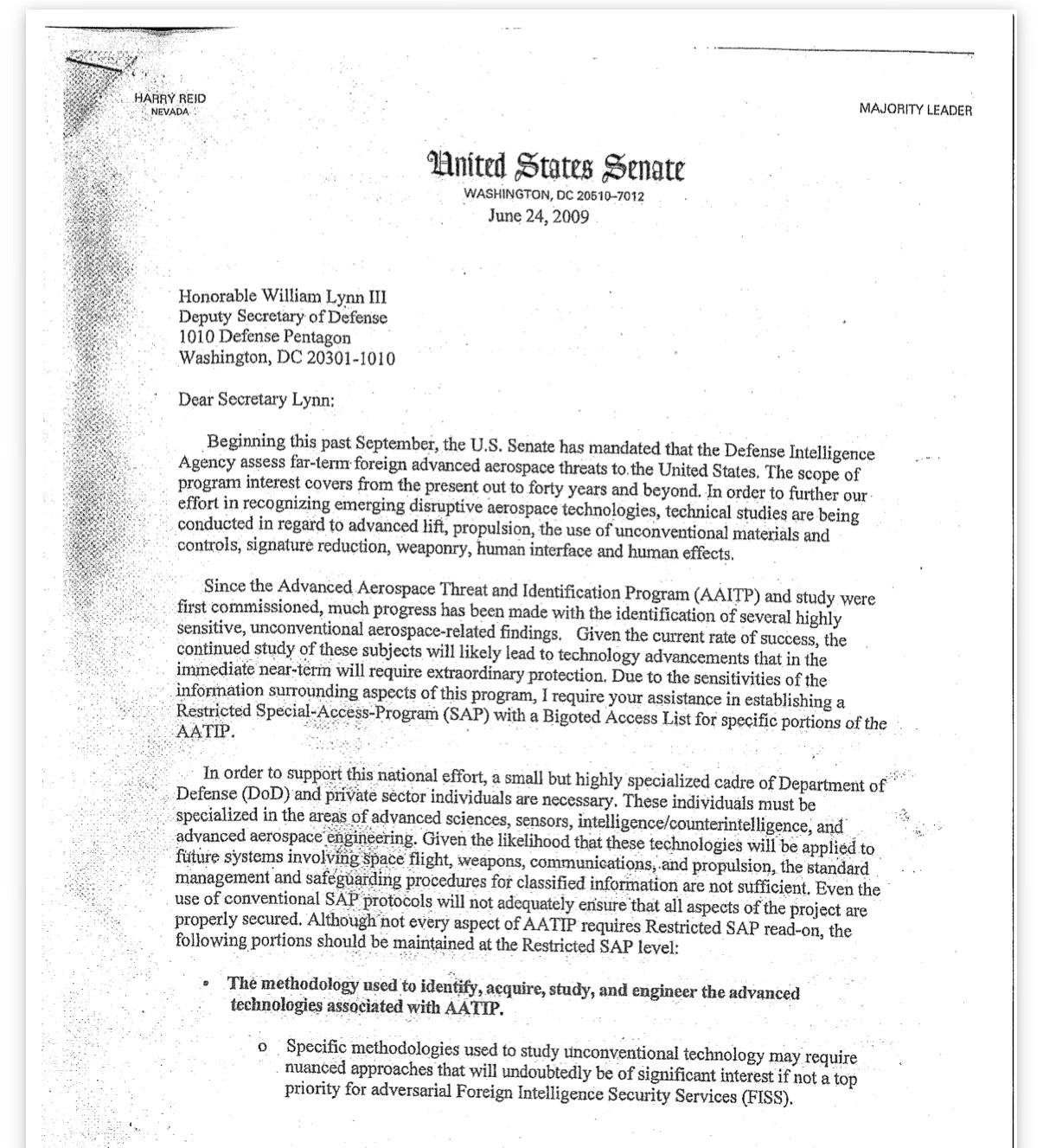
AATIP: Advanced Aerospace Threat Identification Program
Date
2007-09-01
Location
Pentagon, Arlington, VA
Witnesses
AATIP staff; Luis Elizondo
Type
government-related
Entity
Unknown
Craft
—
Evidence
documentation
Reality
physical
Evidence Index
95/100
Popularity
100/100
Community Rating
4.8 (524)
Encounter DNA
72 similar encounters discovered
Compare traits, communications, symptoms and locations.
Full Report
OPENING SCENE
On Saturday, December 16, 2017, the New York Times published a 4,500-word front-page story that began with the line: "In the $600 billion annual Defense Department budget, the $22 million spent on the Advanced Aerospace Threat Identification Program was almost impossible to find." The story, by reporters Helene Cooper, Ralph Blumenthal, and Leslie Kean, revealed for the first time the existence of a small Pentagon office that had, between 2007 and 2012 — and possibly longer in some form — been formally tasked with investigating "anomalous aerospace threats." The article was paired with two declassified Navy F/A-18 videos: the Gimbal recording and the GoFast recording. Within 48 hours, the United States — and the world — had a new framework for talking about UFOs. The acronym was AATIP. The Pentagon's posture on UAP would never sound the same again.
BACKGROUND
AATIP — the Advanced Aerospace Threat Identification Program — was a U.S. Department of Defense program operated principally at the Defense Intelligence Agency from 2008 onward. It traces its lineage to AAWSAP (Advanced Aerospace Weapon System Applications Program, see related case), which was launched under a 2008 DIA contract with Bigelow Aerospace, championed by then-Senate Majority Leader Harry Reid. AATIP is the post-AAWSAP continuation. The Pentagon's public position on AATIP's existence has evolved over time and remains, in some details, contested.
TIMELINE
• 2007 — Sen. Harry Reid (D-NV), with Sens. Ted Stevens (R-AK) and Daniel Inouye (D-HI), advocates for a black-budget UFO program.
• 2008 — AAWSAP contract awarded to Bigelow Aerospace Advanced Space Studies (BAASS).
• 2008–2010 — AAWSAP produces 38 "Defense Intelligence Reference Documents" (DIRDs) — technical white papers on advanced aerospace topics.
• 2010 — AAWSAP main contract concludes.
• 2010–2012 — The Pentagon's UAP work continues in a smaller form under AATIP, headed by Luis Elizondo within the Office of the Under Secretary of Defense for Intelligence.
• Oct 2017 — Elizondo resigns from his Pentagon position, citing dissatisfaction with the level of seriousness given to UAP.
• Dec 16, 2017 — New York Times publishes the AATIP story, with the Gimbal and GoFast videos.
• 2017–2018 — Pentagon spokespersons make varying public statements about AATIP's mandate, funding, and current status.
• April 27, 2020 — DoD officially releases the FLIR1, Gimbal, and GoFast videos as authentic UAP footage.
• June 25, 2021 — Office of the Director of National Intelligence publishes its "Preliminary Assessment: Unidentified Aerial Phenomena."
• 2022 — AARO (All-domain Anomaly Resolution Office) is established by the DoD, formally absorbing UAP investigation work.
• July 2023 — House Oversight UAP hearings. David Grusch, Ryan Graves, and David Fravor testify.
• 2024 — AARO Historical Record Report Vol. I published.
KEY PEOPLE
• Sen. Harry Reid (D-NV) — primary congressional champion of the program. Died 2021.
• Sen. Ted Stevens (R-AK) — co-sponsor.
• Sen. Daniel Inouye (D-HI) — co-sponsor.
• Luis Elizondo — former head of AATIP within OUSDI; resigned Oct 2017; became a public-facing UAP advocate.
• Robert Bigelow — founder of Bigelow Aerospace; original AAWSAP contractor.
• Dr. James Lacatski — Defense Intelligence Agency program manager.
• Christopher Mellon — former Deputy Assistant Secretary of Defense for Intelligence.
• Helene Cooper, Ralph Blumenthal, Leslie Kean — New York Times journalists who broke the story.
• David Grusch — former Air Force intelligence officer; July 2023 Congressional testimony.
LOCATION
U.S. Department of Defense (Pentagon) and Defense Intelligence Agency, Washington D.C. area, USA. Some field work conducted at the Bigelow Ranch ("Skinwalker Ranch") in northeastern Utah.
DATES & TIME PERIOD
AAWSAP: 2008–2010. AATIP (formal name): 2010–2012. Continued related work: 2012–present (under various successor offices, now AARO).
SOURCE HISTORY
Three primary public sources:
1. The New York Times Dec 16, 2017 article and follow-on reporting.
2. The 38 DIRD documents (declassified versions widely available).
3. U.S. Senate and House testimony, hearings, and reports from 2021–2024.
The Pentagon's official statements have been inconsistent in detail across the years; the most stable summary is in the AARO 2024 Historical Record Report.
EVIDENCE SUMMARY
• Funded: ~$22 million across 2008–2012.
• Output: 38 Defense Intelligence Reference Documents on advanced aerospace topics.
• Linked declassified videos: FLIR1 (2004), Gimbal (2015), GoFast (2015).
• Congressional testimony: multiple hearings, 2021–2024.
MEDIA SUMMARY
The most-cited associated media are the three Navy ATFLIR/FLIR videos themselves — declassified DoD footage from F/A-18 Super Hornets — which are detailed in their own case pages.
OFFICIAL RECORDS
• U.S. DoD press release, April 27, 2020 — formally acknowledges FLIR1, Gimbal, GoFast as authentic.
• ODNI Preliminary Assessment on UAP, June 25, 2021.
• Pentagon UAP Task Force final report, June 2021.
• AARO Historical Record Report Vol. I, March 2024.
• Defense Intelligence Reference Documents (DIRDs), 2008–2010.
MAJOR CLAIMS
• A U.S. Department of Defense office investigated UAP from 2008 to at least 2012.
• The program produced 38 technical white papers and analysed military encounter footage.
• The program's existence had been publicly unacknowledged before the December 2017 New York Times story.
• The program's posture and budget have been disputed in detail in subsequent Pentagon statements.
SKEPTICAL CONTEXT
Skeptic analysts (Mick West, James McGaha) accept that AATIP existed but argue that (a) much of the associated footage is explainable by sensor and parallax artefacts, and (b) the program's public profile has been inflated by former participants now active in the disclosure community.
DISPUTED DETAILS
• Whether AATIP's mandate was UAP-specific or part of a broader "advanced aerospace threat" portfolio. The Pentagon's public statements have varied.
• Whether Luis Elizondo formally led an "AATIP" office or was a participant in adjacent UAP work.
• The 2023 Grusch testimony alleged a separate, currently-classified U.S. crash-retrieval program (Disputed; no documentary evidence presented in open hearings).
DIFFERENT PERSPECTIVES
• Disclosure-era view: AATIP is the institutional thread that connects 2004 (Nimitz) → 2015 (Gimbal/GoFast) → 2017 (NYT) → 2022 (AARO) → 2023 (Grusch) into a single decades-long story of acknowledged-but-classified UAP work.
• Mainstream skeptic view: AATIP was a small, real, time-limited DIA program that examined plausible-but-mundane footage and produced technical white papers, the importance of which has been over-stated in public-facing media.
• Pentagon official view (2024 AARO): No evidence of a hidden crash-retrieval program; AATIP and its successors are part of a documentable institutional history.
LATER DEVELOPMENTS
• 2020 — DoD formal acknowledgment of the three Navy videos.
• 2021 — ODNI Preliminary Assessment on UAP.
• 2022 — AARO established.
• 2023 — David Grusch Congressional testimony.
• 2024 — AARO Historical Record Report Vol. I.
CULTURAL IMPACT
The December 2017 New York Times AATIP story is the single most consequential public-facing event in modern UAP discourse. It re-opened sustained mainstream coverage of UAP in major newspapers, drove the 2020 DoD release, the 2021 ODNI report, and the 2023 Congressional hearings.
RELATED CASES
• AAWSAP (2008–2010) — predecessor / parent program.
• USS Nimitz Tic Tac (2004) — primary military encounter associated with AATIP.
• Gimbal Encounter (2015) — released as part of the AATIP story.
• GoFast Encounter (2015) — released as part of the AATIP story.
REFERENCES & SOURCES
• Cooper, Helene; Blumenthal, Ralph; Kean, Leslie. "Glowing Auras and 'Black Money': The Pentagon's Mysterious U.F.O. Program." New York Times, Dec 16, 2017.
• Office of the Director of National Intelligence. "Preliminary Assessment: Unidentified Aerial Phenomena," June 25, 2021.
• U.S. Department of Defense. AARO Historical Record Report Vol. I, March 2024.
• House Oversight UAP hearings, transcripts, July 2023.
• U.S. DoD press release, April 27, 2020.
Witness Discussion0
Sign in to discuss this dossier and vote on the archive.
Log inNo discussion yet. Be the first to weigh in.
Similar Cases
video
Historical
CURATED ARCHIVE, USER UPLOAD
2004-11-14 · Pacific Ocean off San Diego, United States
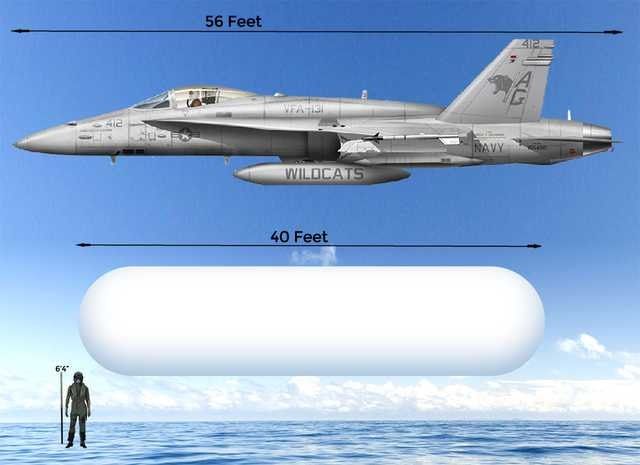
USS Nimitz 'Tic Tac' Encounter
Declassified US Navy encounter with a tic-tac shaped craft displaying impossible flight characteristics, confirmed by the Department of Defense.
Military Encountermilitary
video
Historical
ARCHIVE REFERENCE
2019-07-30 · Pacific Ocean off California, United States
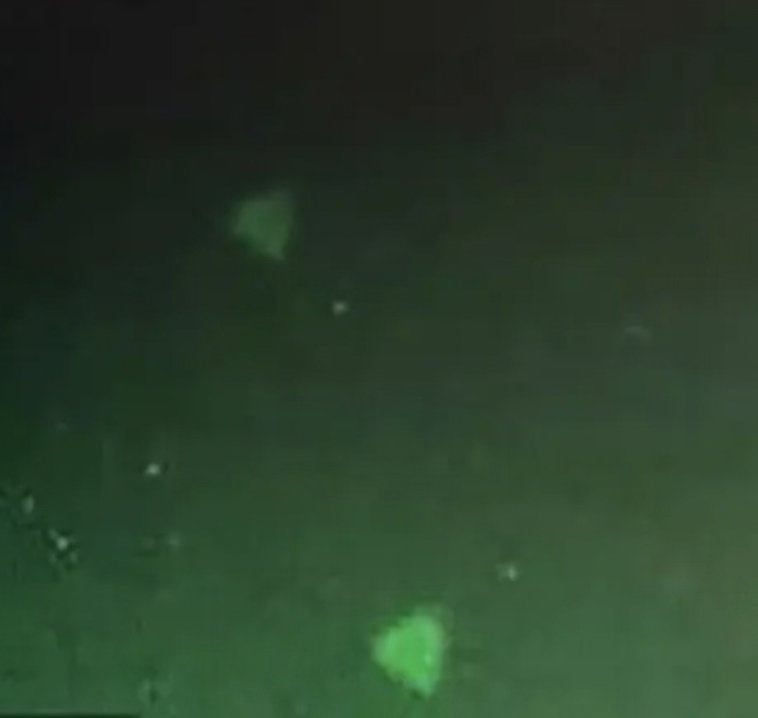
USS Russell Pyramid UAP
Military Encountermilitary
video
Historical
CURATED ARCHIVE, USER UPLOAD
2015-01-21 · Atlantic Ocean off Florida, United States
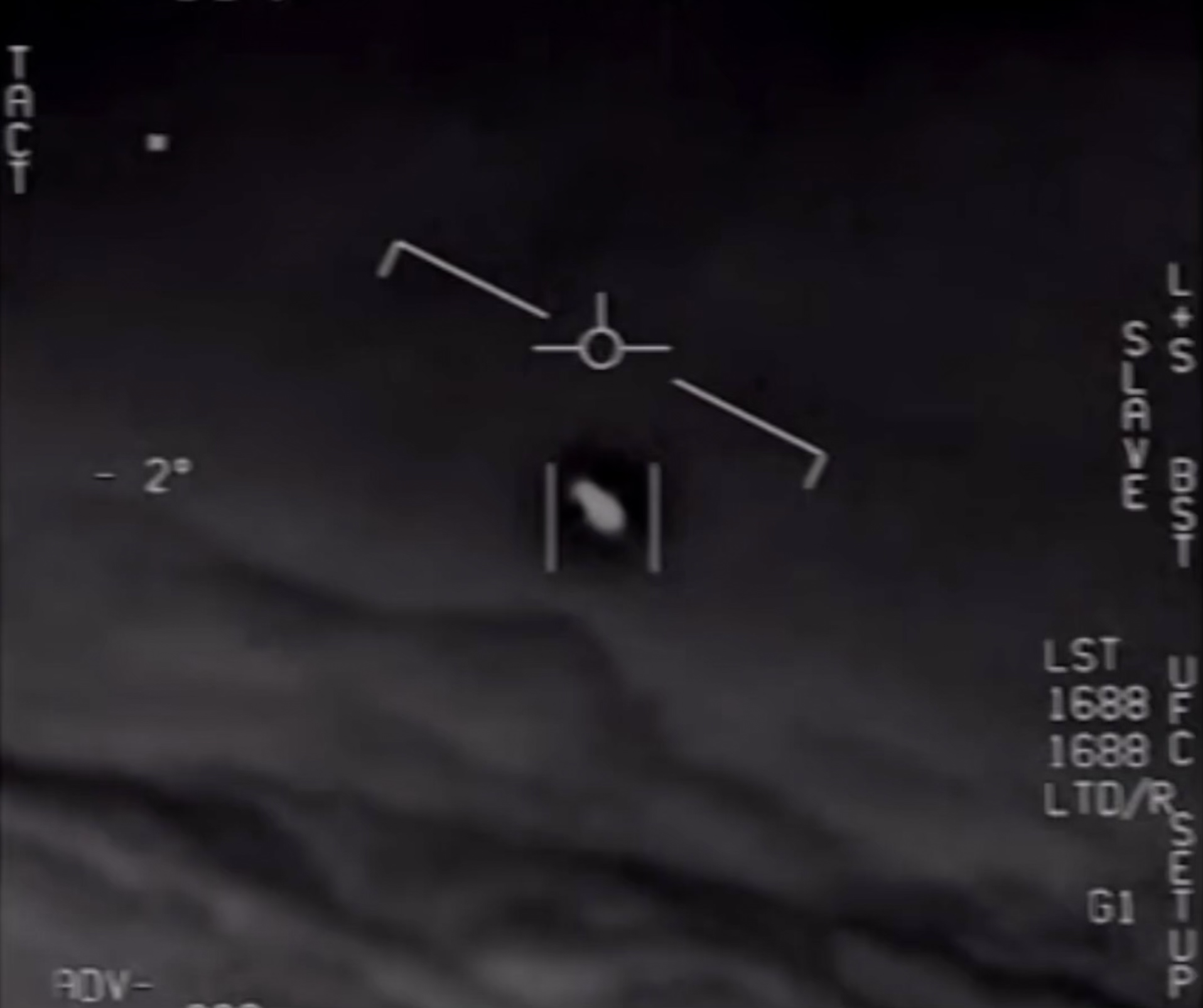
Gimbal Encounter
Military Encountermilitary
multiple
Historical
CURATED ARCHIVE, USER UPLOAD
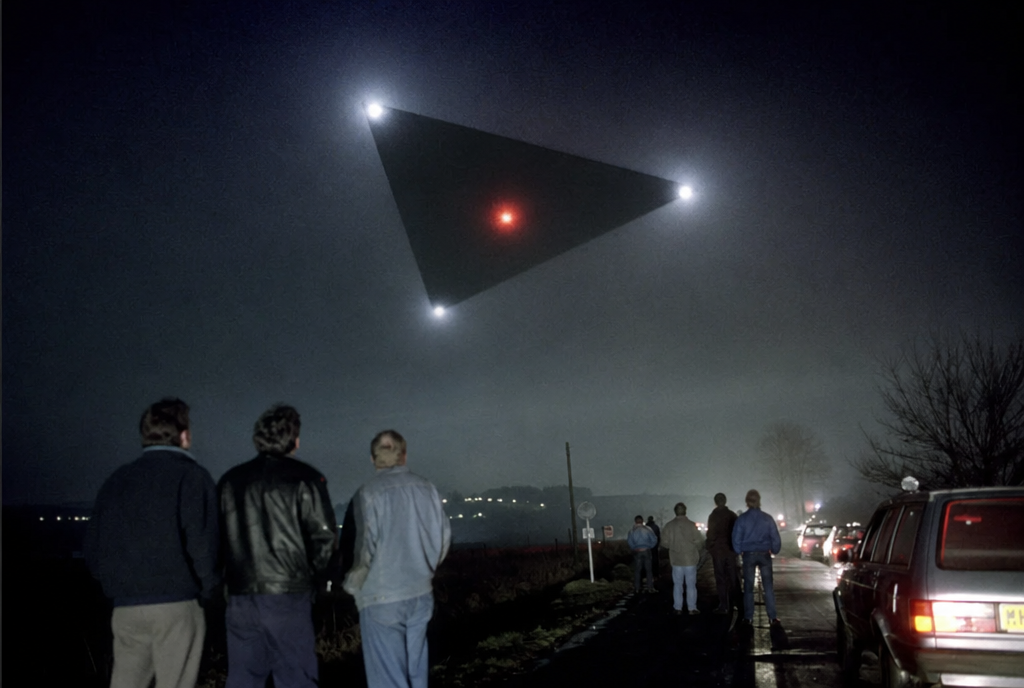
1989-11-29 · Eupen, Wallonia, Belgium
Belgian UFO Wave
Military Encountermass-sighting
multiple
Historical
ARCHIVE REFERENCE
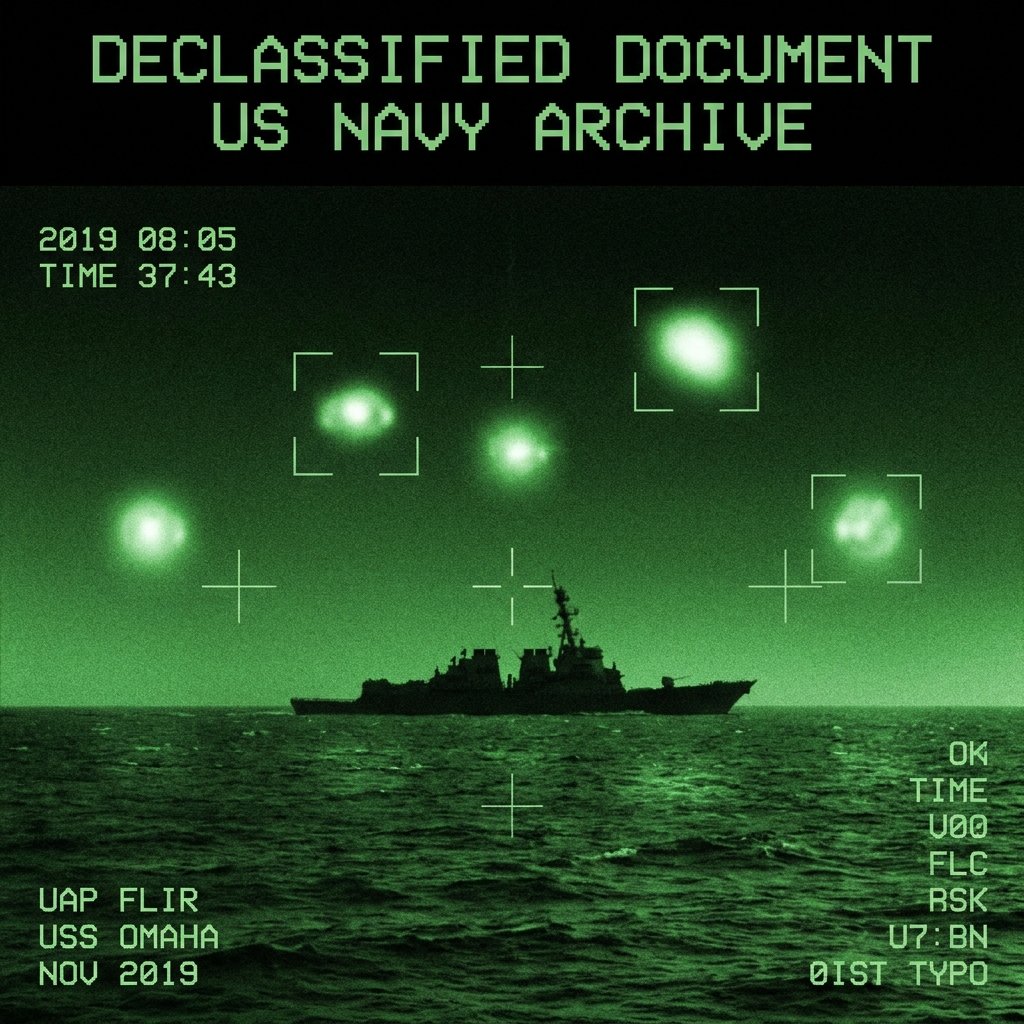
2019-07-15 · Pacific Ocean off San Diego, United States
USS Omaha UAP Swarm
Military Encountermilitary
video
Historical
CURATED ARCHIVE, USER UPLOAD
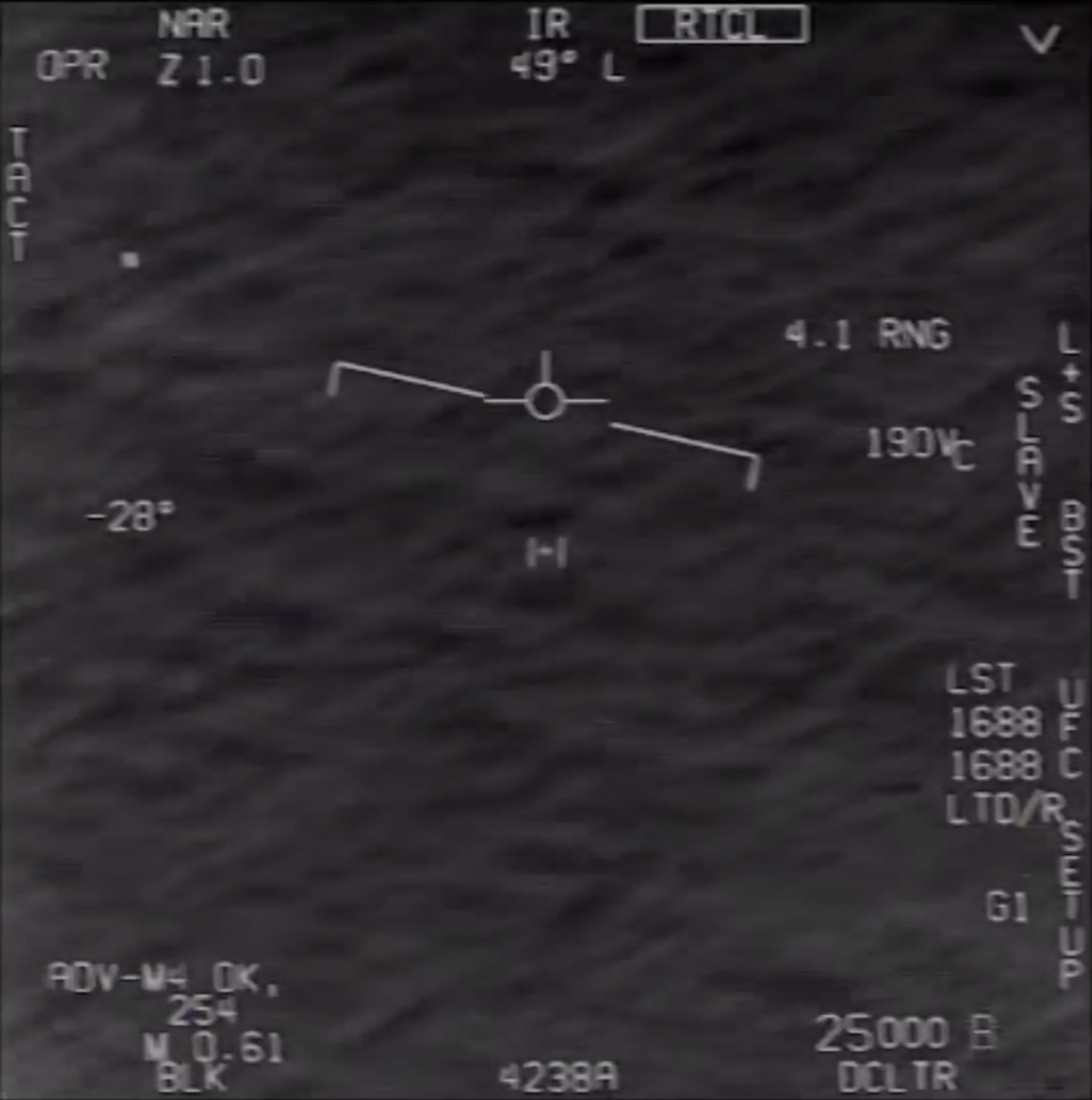
2015-01-21 · Atlantic Ocean off Florida, United States
GoFast Encounter
Military Encountermilitary