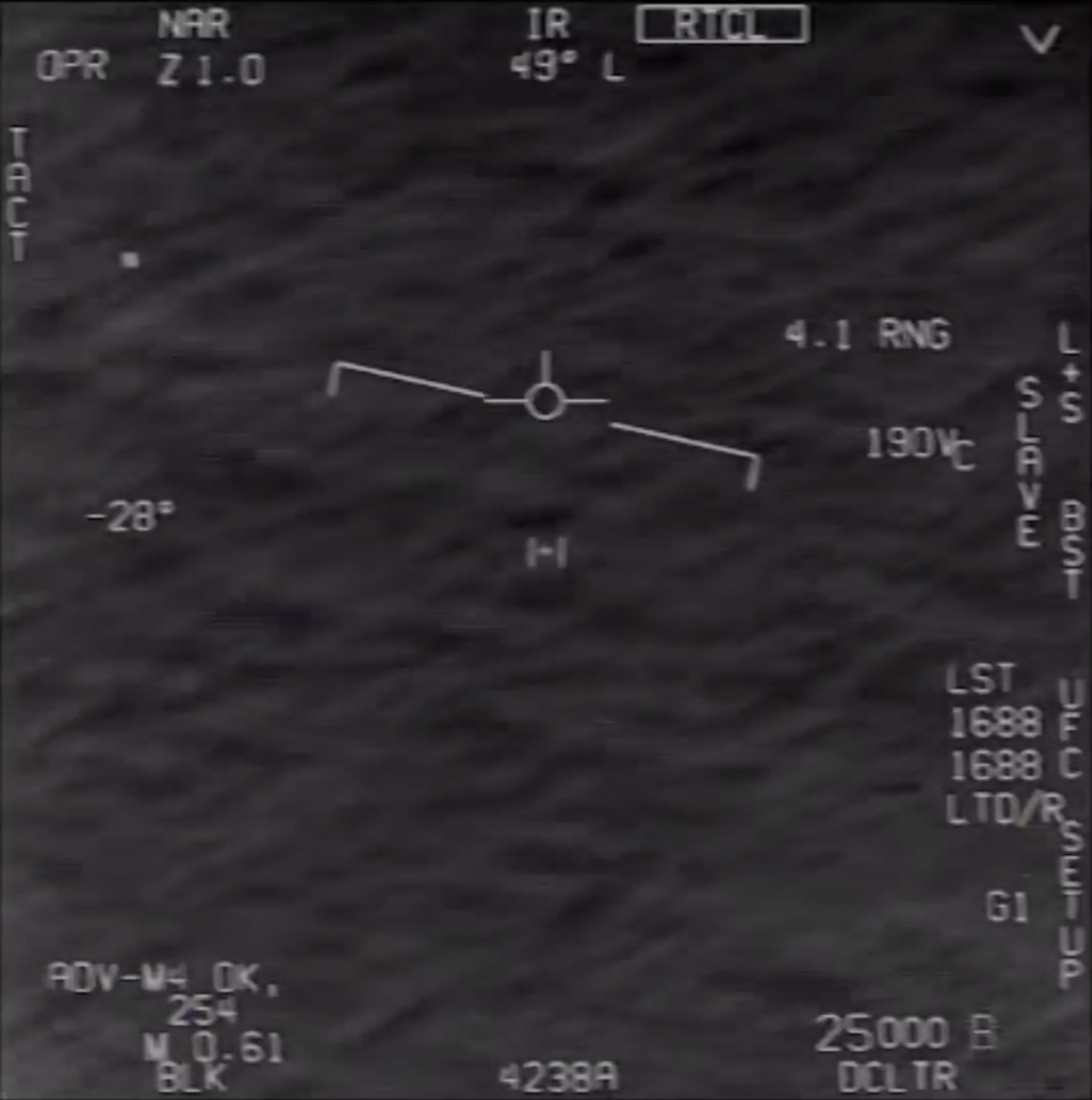
CURATED ARCHIVE, USER UPLOAD · GoFast ATFLIR still, U.S. Department of Defense (declassified)
Verified HistoricalMilitary Encounter#gofast#uap#military#declassified#craft-sighting
GoFast Encounter
Date
2015-01-21
Location
Atlantic Ocean off Florida
Witnesses
US Navy pilots
Type
military
Entity
Unknown
Craft
Small fast object, ocean-skimming
Evidence
video
Reality
physical
Evidence Index
92/100
Popularity
100/100
Community Rating
4.7 (480)
Encounter DNA
72 similar encounters discovered
Compare traits, communications, symptoms and locations.
Full Report
OPENING SCENE
January 2015, somewhere over the Atlantic Ocean off the East Coast of the United States. A U.S. Navy F/A-18F Super Hornet pilot tilts his head down toward the ATFLIR display and watches a small, white, dot-shaped object skimming so low over the ocean that, on the targeting computer, the lock-on box can barely catch it. The pilots whoop in real time. The object — later christened "GoFast" — appears to be moving so fast that it is being tracked through frame-by-frame lock-on changes. The computer eventually estimates the speed and altitude in numbers the pilots react to with audible disbelief. The clip would become the third of the three DoD-acknowledged UAP videos.
BACKGROUND
GoFast was recorded by the same East Coast Super Hornet community whose pilots also produced the Gimbal footage. Like Gimbal, it was leaked first to journalists in 2017, then officially declassified in 2020. Unlike Gimbal, GoFast is the centre of a sustained skeptic debate: subsequent geometry and parallax analysis suggests the object may have been moving at far less than its apparent speed.
TIMELINE
• Early 2015 — East Coast Super Hornet sorties from NAS Oceana, VA.
• Jan 21, 2015 (approximate) — GoFast video recorded.
• 2017 — Leaked to To The Stars Academy and the New York Times.
• Dec 2017 — Released publicly.
• April 27, 2020 — Officially acknowledged as authentic UAP footage by the DoD.
• 2020–2022 — Detailed parallax analyses by Mick West and others challenge the "extreme speed" interpretation.
• 2022–2024 — Referenced in U.S. Senate Intelligence reports and AARO publications.
KEY WITNESSES & PEOPLE
• U.S. Navy F/A-18 pilots (East Coast community) — primary witnesses.
• Lt. Ryan Graves — public spokesperson on East Coast UAP, Congressional testimony 2023.
• Mick West — primary skeptic analyst.
LOCATION
Atlantic Ocean off the U.S. East Coast (Virginia / North Carolina operating areas). Exact coordinates classified.
DATES & TIME PERIOD
Recording date: approximately January 21, 2015. Public release: December 2017.
SOURCE HISTORY
GoFast belongs to the same DoD declassification package as FLIR1 and Gimbal. Its release history is identical: To The Stars Academy → New York Times (2017) → official acknowledgment (2020).
EVIDENCE SUMMARY
• Video: 35-second ATFLIR infrared recording (declassified).
• Audio: Cockpit voice channel, pilots reacting in real time.
• Witness testimony: Lt. Ryan Graves; other pilots remain anonymous.
• Official acknowledgment: U.S. DoD, April 27, 2020.
MEDIA SUMMARY
The GoFast video — declassified DoD ATFLIR recording — is attached to this case.
OFFICIAL RECORDS
• U.S. DoD press release, April 27, 2020.
• ODNI Preliminary Assessment on UAP, June 2021.
• House Oversight UAP hearings, July 2023.
MAJOR CLAIMS
• Object travels at extreme apparent speed close to the ocean surface.
• ATFLIR lock-on system struggles to maintain track.
• Pilots react audibly to the object's behaviour.
SKEPTICAL EXPLANATIONS
• Parallax illusion (Mick West, 2020): Detailed geometric analysis using the head-up-display data overlaid on the ATFLIR footage suggests the object was at significantly higher altitude than the ocean surface and moving at much slower absolute speed — perhaps as little as 30–40 knots. Under this reading, the visible "fast skim" is an artefact of the aircraft's own motion against a slow object at distance.
• Distant balloon or low-altitude drone candidate.
• Navy and AARO have not endorsed the parallax explanation; the official position remains that the object is unidentified.
DISPUTED DETAILS
• The object's true altitude — the single most consequential disputed parameter.
• The object's absolute (not relative) speed.
• Whether the object's lack of clear thermal contrast indicates a small, cool object or a distant, larger one.
DIFFERENT PERSPECTIVES
• Disclosure-era view: GoFast is direct evidence of a fast, low-altitude object that conventional explanations cannot fully resolve.
• Skeptic view: GoFast is a textbook parallax illusion that has been widely misinterpreted.
• AARO position: Remains unidentified pending further analysis.
LATER DEVELOPMENTS
• 2020–2024 — Continued analysis and debate. Mick West's parallax model is the most-cited alternative explanation.
CULTURAL IMPACT
GoFast is the most-debated of the three DoD-acknowledged UAP videos because its interpretation hinges on a relatively straightforward but consequential geometric question.
RELATED CASES
• USS Nimitz Tic Tac (2004).
• Gimbal Encounter (2015).
• AATIP / AAWSAP Programs.
REFERENCES & SOURCES
• U.S. Department of Defense, press release, April 27, 2020 — https://www.defense.gov/News/Releases/Release/Article/2165713/
• ODNI Preliminary Assessment on UAP, June 25, 2021.
• Graves, Ryan. House Oversight UAP hearings, July 26, 2023.
• West, Mick. "GoFast — UFO speed analysis." Metabunk, 2020.
Attached Media
Official DoD footage
GoFast — ATFLIR recording (declassified)
U.S. Navy ATFLIR footage of a fast-moving object skimming low above the ocean, 2015. Officially released 2017.
Media Archive
View the full media-archive entry
Includes laboratory notes, source provenance and discussion threads specific to the recovered material.
Witness Discussion0
Sign in to discuss this dossier and vote on the archive.
Log inNo discussion yet. Be the first to weigh in.
Similar Cases
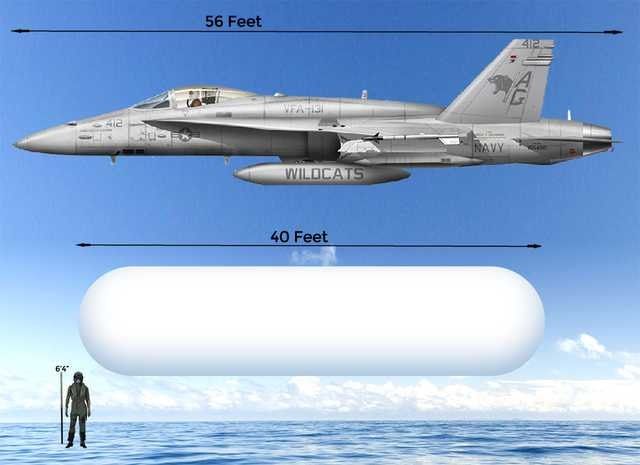
video
Historical
CURATED ARCHIVE, USER UPLOAD
2004-11-14 · Pacific Ocean off San Diego, United States
USS Nimitz 'Tic Tac' Encounter
Declassified US Navy encounter with a tic-tac shaped craft displaying impossible flight characteristics, confirmed by the Department of Defense.
Military Encountermilitary
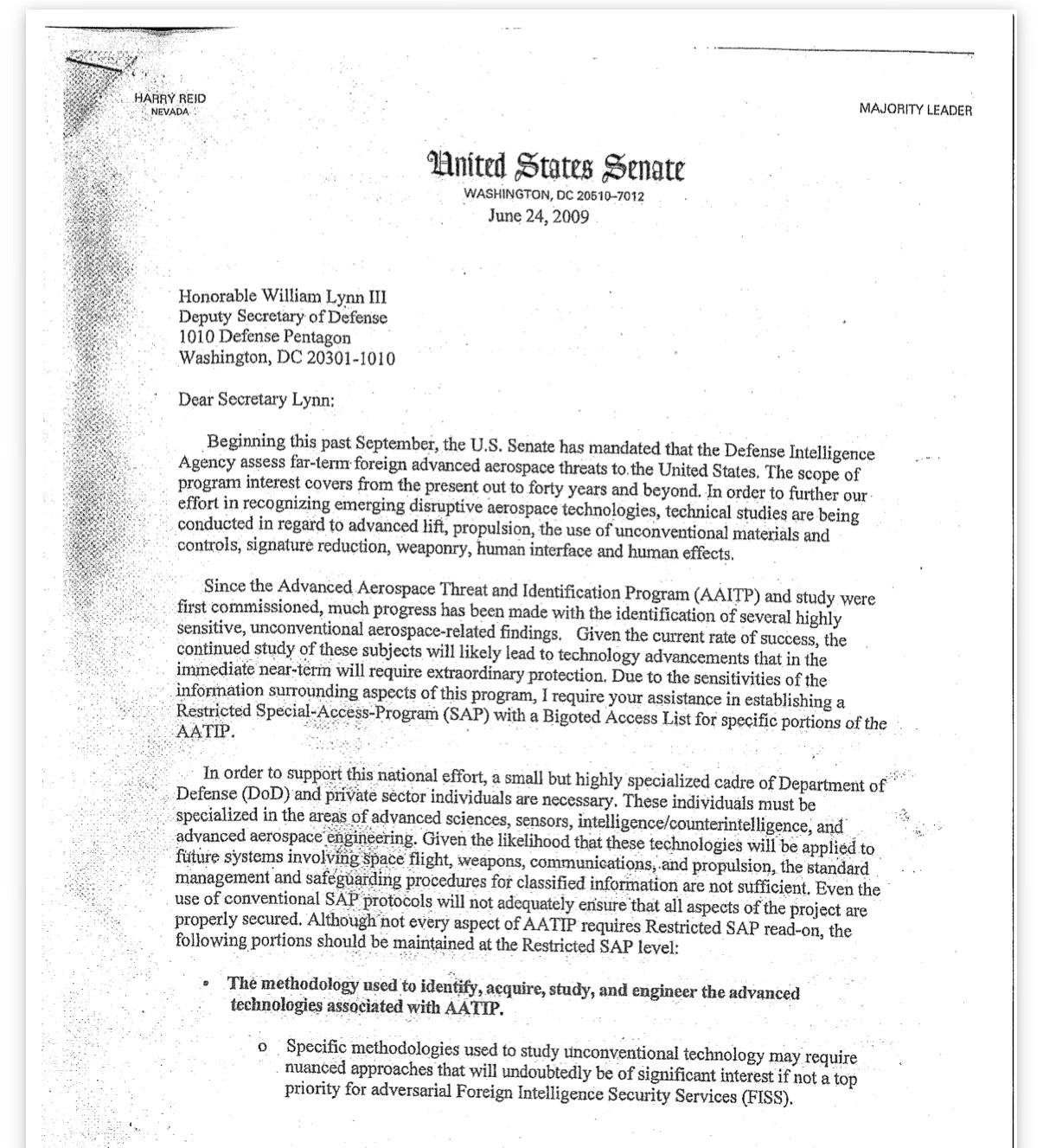
documentation
Historical
ARCHIVE REFERENCE
2007-09-01 · Pentagon, Arlington, VA, United States
AATIP: Advanced Aerospace Threat Identification Program
Government Recordgovernment-related
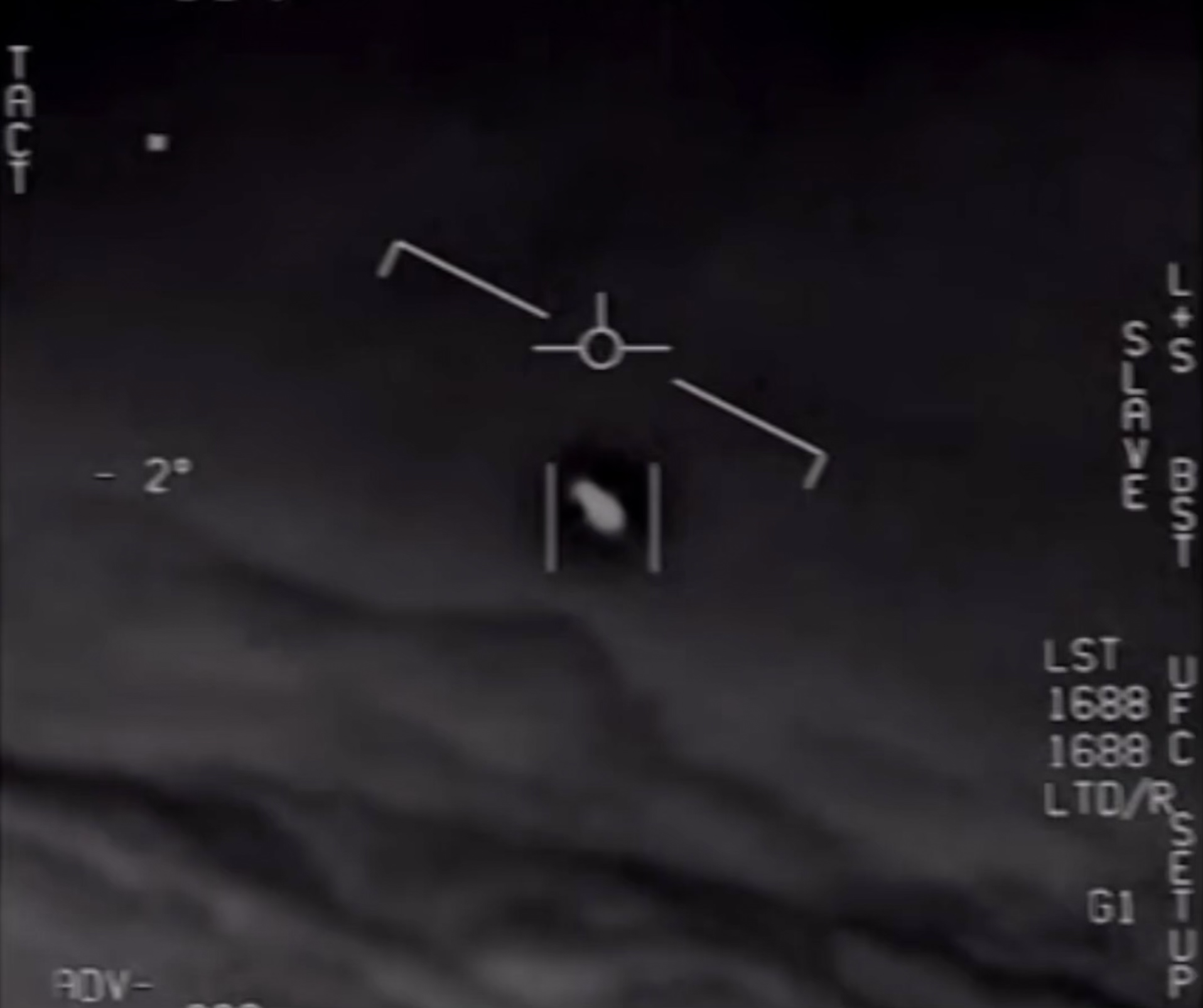
video
Historical
CURATED ARCHIVE, USER UPLOAD
2015-01-21 · Atlantic Ocean off Florida, United States
Gimbal Encounter
Military Encountermilitary
video
Historical
ARCHIVE REFERENCE
2019-07-30 · Pacific Ocean off California, United States
USS Russell Pyramid UAP
Military Encountermilitary
multiple
Historical
CURATED ARCHIVE, USER UPLOAD
1989-11-29 · Eupen, Wallonia, Belgium
Belgian UFO Wave
Military Encountermass-sighting
multiple
Historical
ARCHIVE REFERENCE
2019-07-15 · Pacific Ocean off San Diego, United States
USS Omaha UAP Swarm
Military Encountermilitary