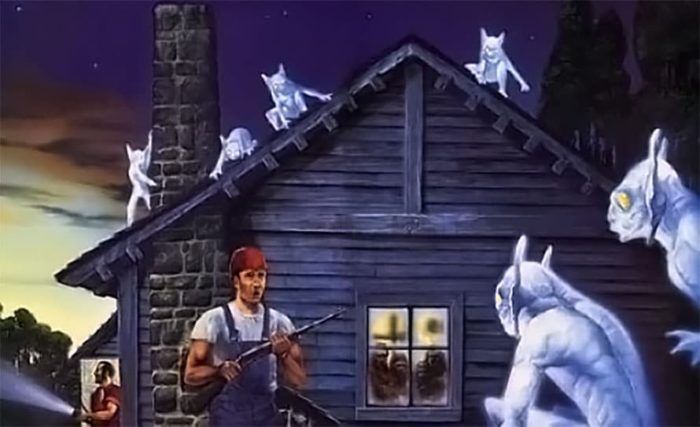
CURATED ARCHIVE, USER UPLOAD · Sutton family witness sketch, 1955
Verified HistoricalHistorical Account#kelly-hopkinsville#being-encounter#historic
Kelly-Hopkinsville Encounter
Date
1955-08-21
Location
Kelly, Kentucky
Witnesses
Sutton family + neighbours
Type
siege
Entity
Other
Craft
—
Evidence
testimony
Reality
physical
Evidence Index
70/100
Popularity
100/100
Community Rating
4.2 (88)
Encounter DNA
72 similar encounters discovered
Compare traits, communications, symptoms and locations.
Full Report
OPENING SCENE
It was 11 p.m. on Sunday, August 21, 1955, on a small tobacco-and-corn farm five miles outside the town of Hopkinsville, Kentucky, when 21-year-old Billy Ray Taylor, visiting from his home in Pennsylvania, ran in from the well outside the farmhouse and told the rest of the Sutton family — there were eleven of them in the small wood-frame house — that a "spaceship with rainbow exhaust" had just landed in the gully behind the chicken coop. Nobody believed him. Twenty minutes later, when the dog began barking, two of the men — Lucky Sutton and Billy Ray — took shotguns and walked to the back door. What they saw, they later told Hopkinsville police, was a small, silver-grey, upright figure approximately three feet tall, with large pointed ears, wide round eyes, and clawed hands raised over its head as if surrendering. Lucky fired with his .20-gauge shotgun. The figure flipped backward and scrabbled away into the dark. Over the next three hours the eleven members of the Sutton family — eight adults and three children — would fire approximately fifty shotgun and rifle rounds at small humanoid figures that kept appearing at windows and on the roof. By 11:30 p.m. they had all piled into two cars and driven, panicked, into the Hopkinsville police station. The officers — including Chief of Police Russell Greenwell — drove back out to the farm. They found shotgun shells, holes in screens, scattered tracks, but no bodies and no intact craft.
BACKGROUND
The Sutton (also called Lankford) family farm sat about a mile north of the village of Kelly, in Christian County, Kentucky, USA. On the evening of August 21, 1955, the family had been visiting with several friends. The case was investigated by the Hopkinsville Police Department, the Kentucky State Police, and U.S. Air Force Project Blue Book within 72 hours of the event.
TIMELINE (Central Standard Time)
• Aug 21, 1955, ~1900 — Sutton family and visiting friends having dinner.
• ~2000 — Billy Ray Taylor goes to the well outside; reports a "spaceship with rainbow exhaust" descending into the gully.
• ~2030 — Dog begins barking aggressively; Lucky Sutton and Billy Ray investigate.
• ~2030–2300 — Roughly three hours of repeated encounters; approximately 50 rounds fired at small figures.
• ~2300 — Sutton family drives to Hopkinsville Police Station; eleven people in two cars.
• ~2330 — Chief of Police Russell Greenwell, four city police officers, five state troopers, three military police, and several reporters return with the Suttons to the farm.
• Aug 22, 1955, ~0200 — Police find no creatures and no recovered evidence beyond shotgun shells and screen-window damage. Most of the police leave.
• Aug 22, ~0330 — A bright light is again observed at the farm by Mrs. Glennie Lankford.
• Aug 23, 1955 — Project Blue Book is notified.
• Aug 24, 1955 — Project Blue Book investigator interviews the Suttons.
• Sept 1955 — National wire-service coverage. The case is the origin of the phrase "little green men" in American popular culture (the figures were described as silver-grey but the press conflated the colour).
KEY WITNESSES & PEOPLE
• Glennie Lankford — head of household; matriarch.
• Lucky Sutton — primary shooter.
• Billy Ray Taylor — initial visitor; first witness.
• Eight other Sutton family members — corroborating witnesses.
• Chief Russell Greenwell — Hopkinsville Chief of Police.
• Major John E. Albert — U.S. Air Force liaison.
• Isabel Davis & Ted Bloecher — civilian researchers; their 1978 monograph remains the canonical investigation.
LOCATION
The Sutton farm, ~5 miles south of Hopkinsville, near Kelly, Christian County, Kentucky, USA. Approximate coordinates: 36.79°N, 87.43°W.
DATES & TIME PERIOD
August 21–22, 1955, ~2000 to 0330.
SOURCE HISTORY
Three primary source channels:
1. Hopkinsville Police Department incident report, August 21–22, 1955.
2. Project Blue Book file (declassified, NARA).
3. Isabel Davis and Ted Bloecher's "Close Encounter at Kelly and Others of 1955" (Center for UFO Studies, 1978).
EVIDENCE SUMMARY
• Witness testimony: Eleven adult and child witnesses, multiple police and military personnel arriving on scene within hours.
• Physical traces: Shotgun shells, damaged screens, scattered tracks in the dirt. No bodies. No intact craft.
• Photographs / video: None.
• Radar tracks: None publicly available.
• Government investigation: Yes — Project Blue Book, with on-scene military police on the night of the incident.
MEDIA SUMMARY
No verified photographs of the figures. The most-cited visual material is the witness sketches, particularly Mrs. Glennie Lankford's drawing of the figures, and period police photographs of the Sutton farmhouse.
OFFICIAL RECORDS
• Hopkinsville Police Department incident report, August 21–22, 1955.
• Project Blue Book file, "Hopkinsville, KY, 21 Aug 1955" — declassified, NARA RG 341.
MAJOR CLAIMS
• A multi-witness encounter with small humanoid figures occurred on a Kentucky farm on August 21, 1955.
• Eleven witnesses, including children, gave consistent accounts.
• Approximately 50 rounds of shotgun and rifle fire were discharged at the figures.
• Hopkinsville police arrived within hours and found physical evidence consistent with the witness accounts (shells, screen damage) but no figures or craft.
SKEPTICAL EXPLANATIONS
• Misidentified barn owls (the "great horned owl" hypothesis): Argued by Joe Nickell (Skeptical Inquirer, 2006). Great horned owls have bright reflective eyes, can appear small and upright when perched, and are known to be defensive when threatened. This explanation accounts for the figures' appearance but is contested by witnesses for behavioural reasons (the figures were reported to walk upright on two legs and to "float" down from trees).
• Mass-hysteria contagion: Considered and rejected by Project Blue Book's investigators, who interviewed family members separately.
• Hoax: Considered and rejected; the family's emotional state when they arrived at the police station was clearly genuine.
DISPUTED DETAILS
• Whether the great horned owl hypothesis fully accounts for all the reported behaviours.
• The exact morphology of the figures: witness descriptions vary in small ways.
• The interpretation of the shotgun-shell tally (some witnesses report fewer rounds fired than others).
DIFFERENT PERSPECTIVES
• Police view (1955): The family was clearly distressed and had clearly been shooting; the cause of the distress remained unidentified.
• Project Blue Book view: Inconclusive; the case was not classified "Unidentified" but was not formally explained.
• Researcher view (Davis & Bloecher, 1978): A genuine, multi-witness close-encounter case.
• Skeptic view (Nickell): Misidentified owls combined with a primed family.
LATER DEVELOPMENTS
• 1978 — Davis & Bloecher monograph published.
• 2006 — Joe Nickell's owl hypothesis published in Skeptical Inquirer.
• 2010s onward — Annual "Little Green Men Days" festival in Kelly, KY.
CULTURAL IMPACT
The Kelly-Hopkinsville case is the historical origin of the phrase "little green men" in American popular culture. It is one of the most-cited 1950s close-encounter cases and remains a touchstone in U.S. UFO history.
RELATED CASES
• Project Blue Book — institutional context.
• Pascagoula Abduction (1973) — later Mississippi multi-witness close encounter.
• Westall School Sighting (1966) — later multi-witness Australian case.
REFERENCES & SOURCES
• Davis, Isabel & Bloecher, Ted. "Close Encounter at Kelly and Others of 1955" (Center for UFO Studies, 1978).
• Project Blue Book File, Hopkinsville KY, 1955, NARA RG 341.
• Hopkinsville Police Department Incident Report, August 21–22, 1955.
• Nickell, Joe. "Siege of 'Little Green Men': The 1955 Kelly, Kentucky, Incident." Skeptical Inquirer, Vol. 30, 2006.
Witness Discussion1
Sign in to discuss this dossier and vote on the archive.
Log in0

Eleven witnesses, four hours of sustained engagement, physical evidence on the property the next morning. Not a 5-second flyby.
Similar Cases
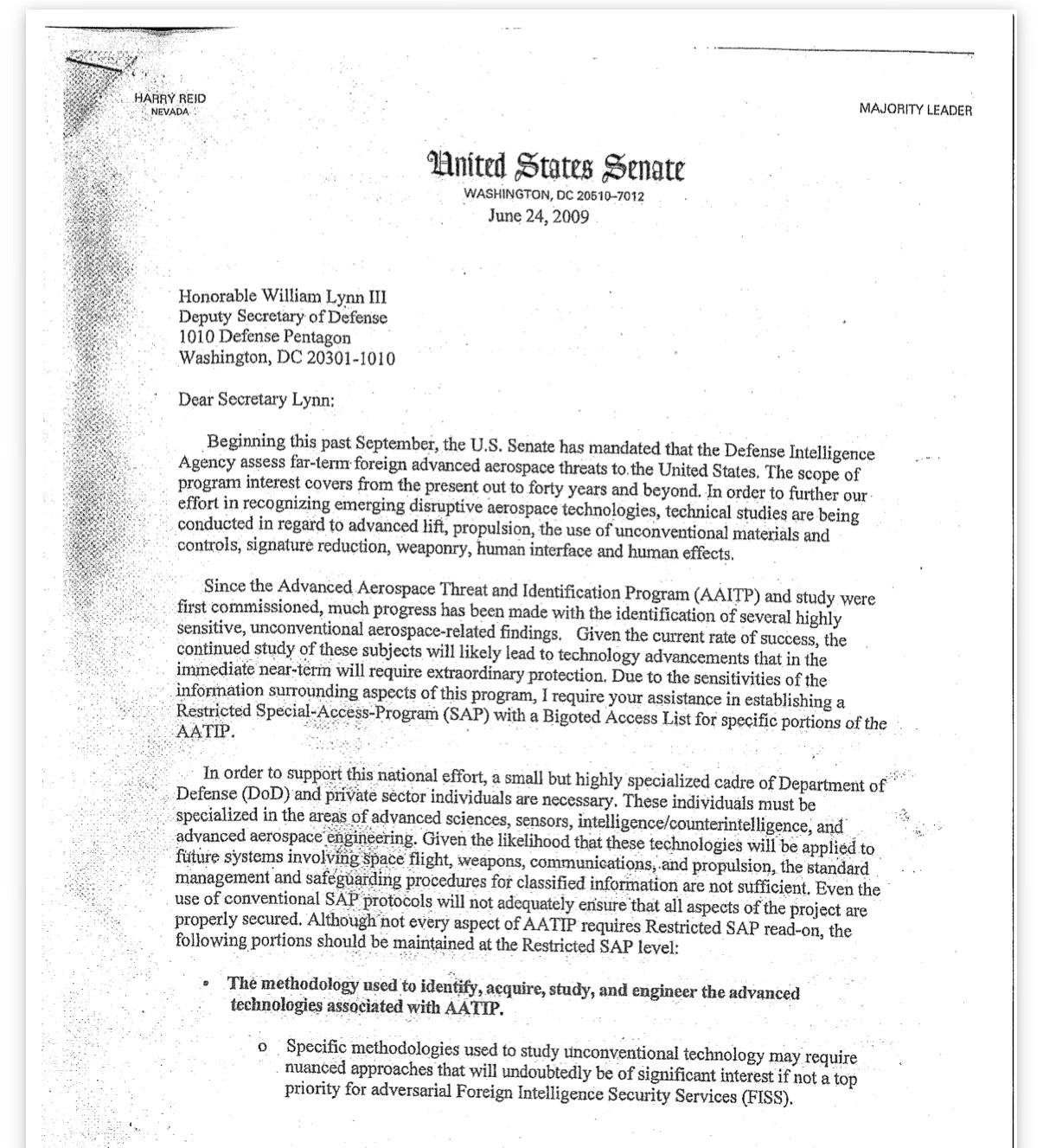
documentation
Historical
ARCHIVE REFERENCE
2007-09-01 · Pentagon, Arlington, VA, United States
AATIP: Advanced Aerospace Threat Identification Program
Government Recordgovernment-related
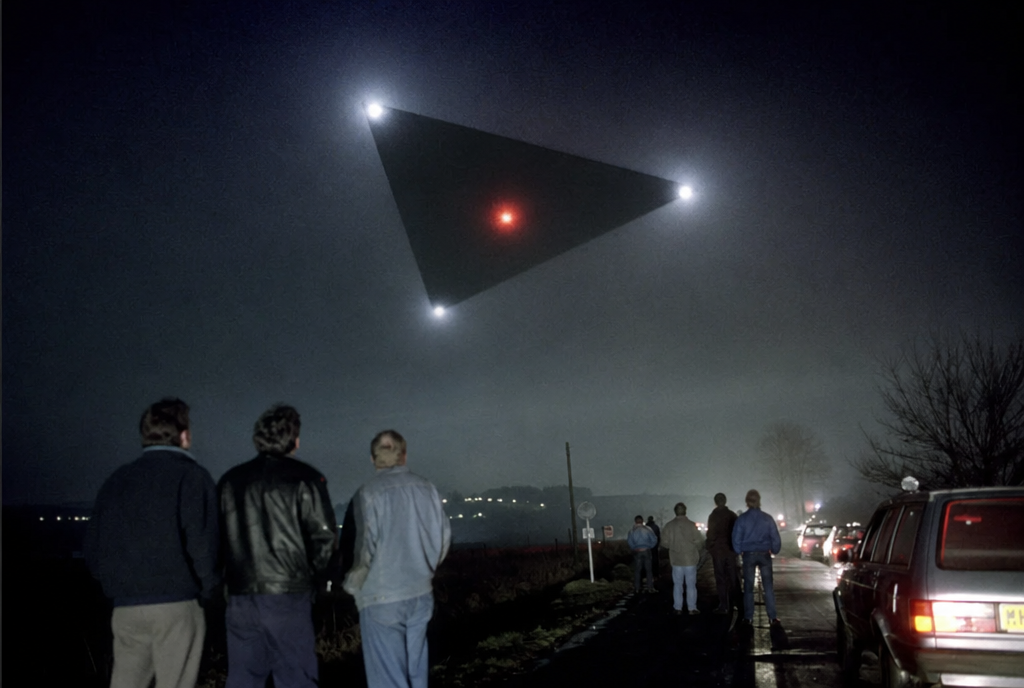
multiple
Historical
CURATED ARCHIVE, USER UPLOAD
1989-11-29 · Eupen, Wallonia, Belgium
Belgian UFO Wave
Military Encountermass-sighting
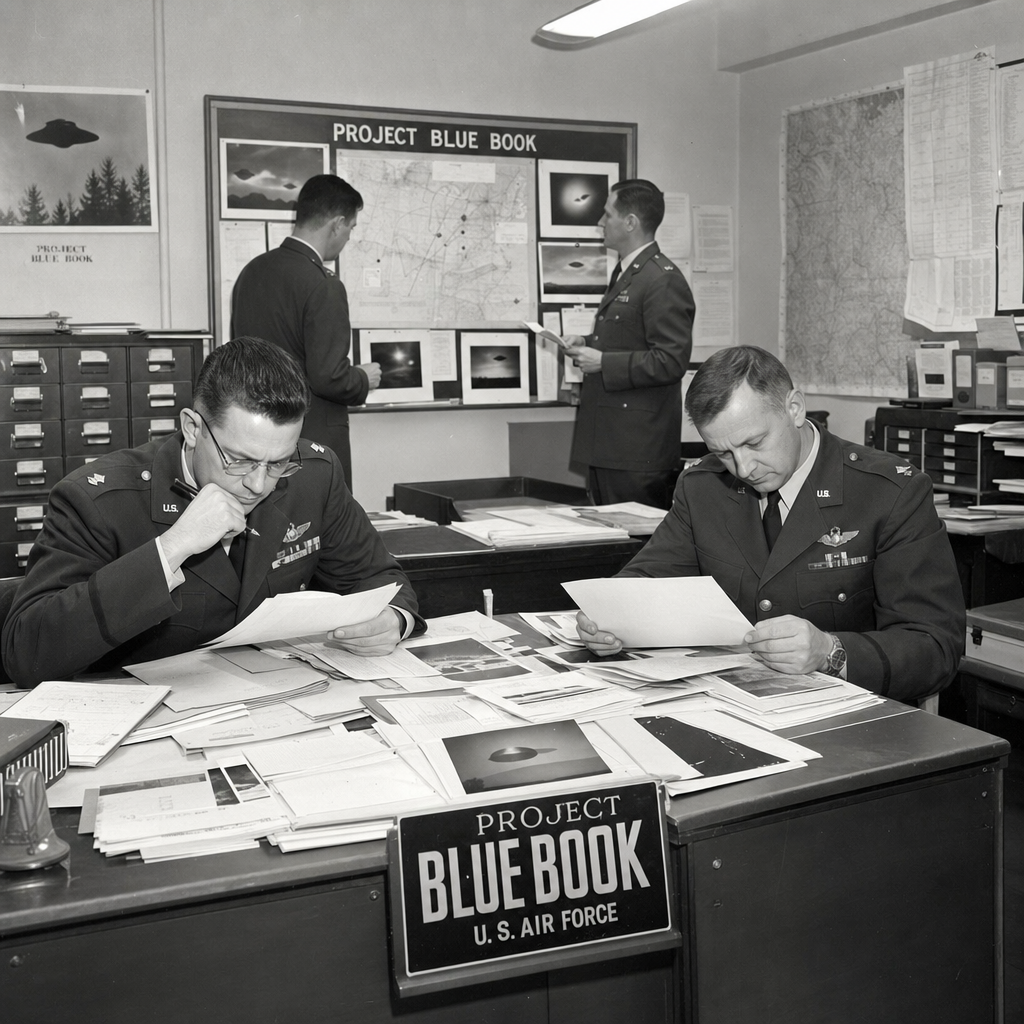
multiple
Historical
CURATED ARCHIVE, USER UPLOAD
1952-03-25 · Wright-Patterson AFB, Ohio, United States
Project Blue Book
Government Recordgovernment-related
multiple
Historical
CURATED ARCHIVE, USER UPLOAD
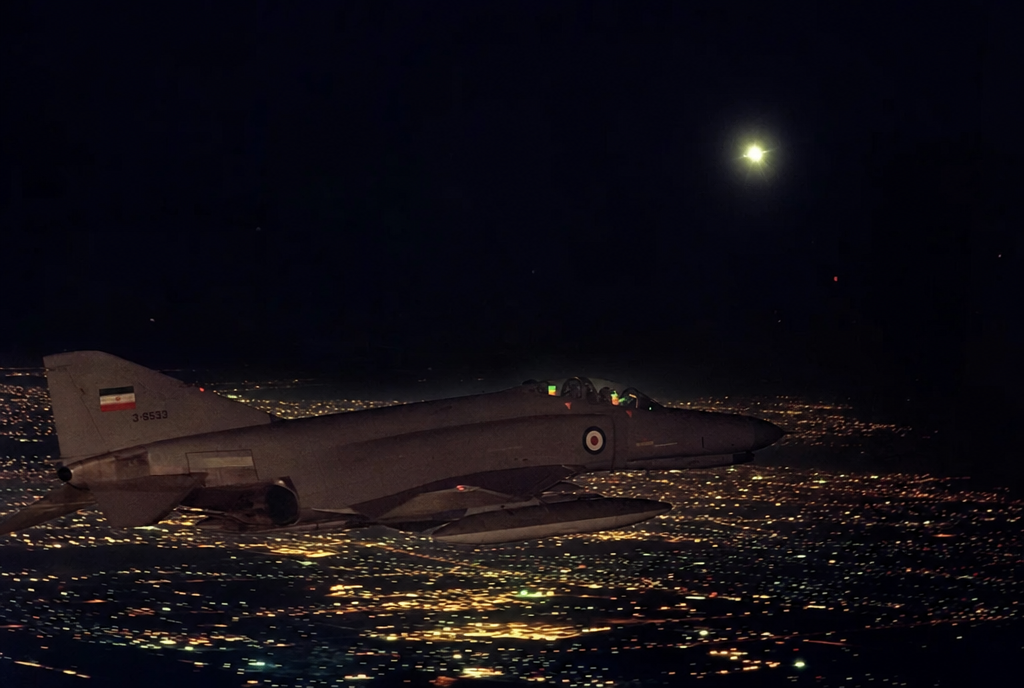
1976-09-19 · Tehran, Iran
Tehran F-4 Incident
Military Encountermilitary
multiple
Historical
CURATED ARCHIVE, USER UPLOAD
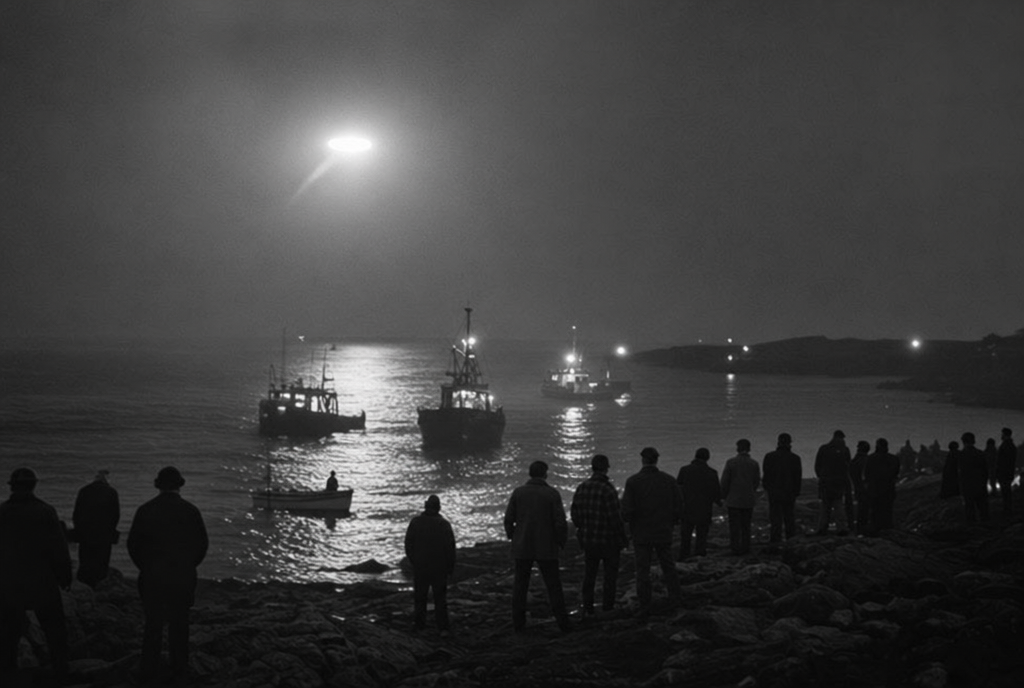
1967-10-04 · Shag Harbour, Nova Scotia, Canada
Shag Harbour Crash
Military Encountercrash-retrieval
physical
Historical
ARCHIVE REFERENCE
1964-04-24 · Socorro, New Mexico, United States
Lonnie Zamora Socorro Landing
Witness Testimonyclose-encounter